





Why Coolbet Casino Análisis Matters In 2026
A casino article helps only when it shows what the player actually does. Imagine opening a new platform in the evening with two questions in mind: can I understand the account flow quickly, and can I keep the session under control? That is the practical lens that matters in 2026.
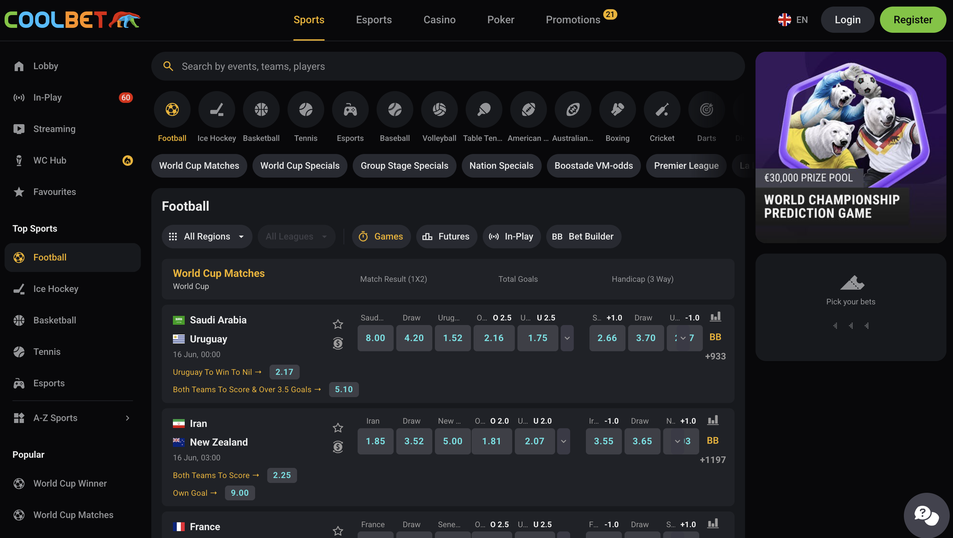
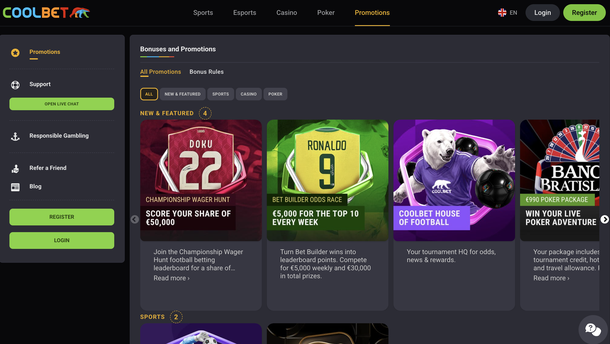
Coolbet can be approached by Canadian users as an online casino platform for adult players operating within applicable rules and age requirements. The first task is not to chase a bright offer. It is to understand the account, the cashier, the game lobby, and the responsible gambling tools before emotions enter the session.
This matters because play habits have changed. Sessions are shorter, devices change more often, and many users move between quick mobile checks and longer evening visits. If the platform feels clear, the session stays manageable. If the layout confuses you, every later action becomes harder.
How Players Usually Judge A Casino First
Most players form an opinion within minutes. They look at the homepage, open the lobby, check the cashier, and guess whether the platform feels simple or messy. Imagine someone who skips straight to a game without checking anything else. That player may still enjoy the visit, but they are also more likely to miss key details about balance labels, limits, or support paths.
A better first check is mechanical. Open the account area, scan the menu, locate the deposit section, find the help route, and see whether timeout or self-exclusion options are easy to spot. You are not trying to master everything at once. You are checking whether the platform gives you control before it asks for money or time.
Registration, Identity, And Account Readiness
The registration stage decides how smooth later actions feel. If you enter real details, keep access to your email, and use a password you can manage securely, the account starts on stable ground. If you rush, improvise, or use old information, small problems can appear later when you need support or want to withdraw.
Picture a player who signs up with a spare email because the lobby looks more exciting than the form. Weeks later, that same player is asked to confirm something in the account and cannot find the right inbox. It sounds minor, but that is how simple entertainment becomes admin friction.
Treat sign-up like setup, not like a hurdle between you and the slots. Check every field once, confirm that your device is private, and store your login details carefully. A clean account is not glamorous, but it makes every later step easier.
Email Access And Password Habits
Email access matters because many account prompts eventually lead back there. If you lose access, forget which address you used, or rely on a mailbox you rarely check, even a basic reset can become annoying. Usually players notice this only when something stops working.
Use a password that is strong, unique, and not shared with other services. If you switch devices often, do not save credentials everywhere. Imagine logging in on a borrowed laptop and leaving the password behind. That kind of convenience is rarely worth the risk.
When Verification Interrupts The Session
Verification feels inconvenient mostly when it appears in the middle of an emotional session. A player wants to deposit, withdraw, or continue playing, and suddenly the account asks for extra confirmation. That moment feels less irritating when the profile is already accurate and the requested information matches what was entered at registration.
Usually the best response is not to guess or send random files. Read the prompt, prepare the needed details, and follow the account instructions step by step. Clear action works better than panic.
Deposits, Withdrawals, And Cashier Timing
Cashier habits shape the whole casino experience. Imagine deciding to add funds while distracted, selecting a method too quickly, and only then reading the message on screen. That is a common mistake. The cashier deserves the same attention as the game rules.
Start with your budget, not with the deposit button. Decide how much money belongs to entertainment for that session and what amount would already feel excessive. Then open the cashier and see whether the method names, prompts, and confirmation steps make sense to you. If something feels unclear, stop before submitting the payment.
Withdrawals need the same discipline. Do not treat them like a magic instant process that should always work the same way. Timing can depend on the method, the account state, and internal checks. If the platform shows a message, read it fully before contacting support.
If a payment or withdrawal looks unusual, note the date, amount, method, and message on screen. That gives support something concrete to handle.
Area | What To Check | Better Player Action |
|---|---|---|
Account Profile | Name, date of birth, region, email | Keep details accurate from day one |
Deposit Page | Method name, amount, confirmation text | Read every prompt before approving |
Withdrawal Request | Selected method, account notice, balance status | Follow the message before writing support |
Limits Section | Deposit boundaries, session reminders, breaks | Set controls before the lobby opens |
Help Route | Contact option, topic category, message box | Write facts, not guesses |
Payment Discipline During Losing Streaks
This is where many routines break. Imagine losing faster than expected and opening the cashier again because the next deposit feels like the easiest answer. In reality, that is usually the moment to stop and check the plan. Was this amount already outside the budget? Are you funding a session, or chasing a result?
A stronger habit is to decide in advance how many deposits, if any, belong to the session. If the answer is one, then one is enough. If the answer is none after the first loss, close the lobby and step away.
Games, Pacing, And Session Structure
Game choice is not only about taste. It is about pace, balance movement, and how much attention the title asks from you. Some players want a simple slot with clear bet controls and a fast result cycle. Others prefer a slower title with layered features and bonus rounds. The right choice depends on budget, time, and mood.
Imagine opening a game because the artwork looks great, then realizing after a few spins that you do not understand what the symbols do or why the balance is moving so fast. That is not a failure. It is a signal to stop and choose differently.
Small-stake testing helps here. Open a title, read the paytable, lower the bet, and watch how the mechanics behave. If the game still feels unclear after a short trial, move on. You are not obliged to stay with a game simply because it looked promising at first glance.
Reading Paytables Before Real Play
Most players know they should read the paytable. Fewer actually do it before they start. Picture someone hitting spin right away, then asking halfway through the session why a feature did not trigger or why a symbol mattered. Those answers were usually visible from the beginning.
The paytable is there to tell you how the game works. Check symbol values, feature conditions, and bet structure. You do not need to memorize every detail, but you should know enough to understand what the game is asking from your balance.
Matching A Game To Your Mood
Mood is easy to ignore and expensive to ignore for too long. If you are tired, irritated, or low on patience, a complex title with many moving parts may push you into mistakes. Usually players do better in that state with simpler controls, lower stakes, and shorter sessions.
Imagine sitting down after a long day and choosing the loudest, fastest game in the lobby. That may feel exciting for five minutes and exhausting after ten. A better approach is to match the title to your energy, not to the platform's loudest graphic.
Mobile Access And Daily Use Patterns
Mobile play changes the rhythm of casino use. On a desktop, the player often arrives with more intention. On a phone, the platform can slip into small gaps in the day. Waiting for transport, lying on the couch, checking messages before sleep - suddenly the casino is one tap away.
That convenience is useful only when it stays controlled. Imagine opening the platform just to check and ending up in a twenty-minute session you never planned. Mobile access makes it easier to act without setting a goal. That is why mobile players need clearer boundaries, not looser ones.
A good phone routine is simple. Decide whether you are logging in to play, to check the cashier, to set limits, or to read a support message. Pick one or two actions and finish them. When everything is mixed together on a small screen, details get missed.
Short Sessions Without Losing Track
Short sessions are not automatically safer. They can become messy because the player feels rushed. Suppose you have ten minutes and jump between four games, one account message, and the cashier. You are active, but not deliberate.
A cleaner short session has one purpose. Play one game at a preset stake. Or check one account issue and leave. Or set a limit and log out. The fewer moving parts, the better the phone experience holds together.
Why Interface Clarity Matters
Interface clarity sounds like a design issue, but it affects real decisions. You need to see the current bet, the balance, and the action buttons without hesitation. If the screen feels cramped or confusing, the session becomes harder to manage.
Imagine switching from one slot to another and not noticing that the bet size changed. That is exactly the kind of ordinary mistake good interface habits prevent. Slow down when the layout changes. Confirm the numbers before you spin.

Support, Limits, And Responsible Gambling Tools
The best time to find responsible gambling tools is before you need them. If the platform offers deposit limits, session reminders, timeouts, or self-exclusion-style controls, locate them during a calm moment. Many players ignore these options because they think the tools are only for serious problems. They are useful for regular session control as well.
Imagine a player who notices the same pattern every weekend: play starts casually, runs longer than expected, and ends with irritation rather than enjoyment. That player does not necessarily need a dramatic solution. A cooldown period or a tighter deposit boundary may already be enough to reset the habit.
Support is similar. It works best when you approach it before frustration takes over. If you know where the help route lives and how to write a useful message, you save time later. Vague complaints make slow conversations. Specific timelines make practical ones.
What A Good Support Message Looks Like
A useful message includes the date, the section you were using, the action you took, and the message you saw on screen. That is enough to begin. You do not need a dramatic story. You need a clear sequence.
Imagine two players reporting the same issue. One writes, "Nothing works." The other writes, "I tried to withdraw on Tuesday evening, selected the same method as before, and saw a message asking for confirmation." The second message gives support something it can actually follow.
Timeout Or Self-Exclusion - Which Fits The Problem
These tools are not interchangeable in practice, even if players mention them together. A timeout is useful when you need distance for a short period and want the session to stop before it grows. Self-exclusion is stronger and more appropriate when the pattern feels persistent, stressful, or hard to interrupt with normal limits.
The right question is simple: do you need a pause, or do you need a barrier? Imagine noticing repeated chasing, hidden play, or difficulty logging out even after deciding to stop. That is when stronger action matters more than optimism.