





Steps Around Coolbet Casino Login
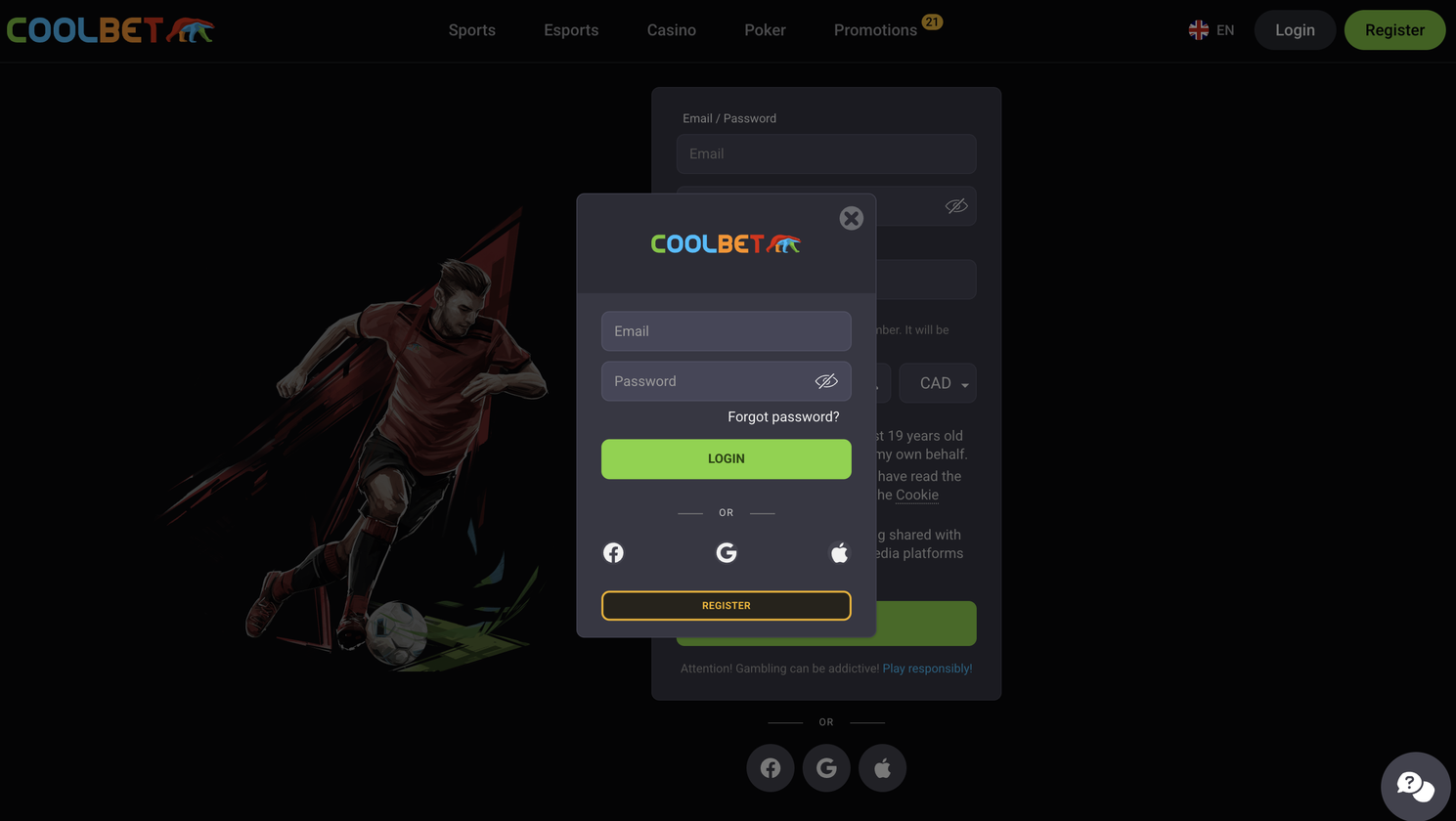
Most people want the same thing at the start: open the account fast, check the balance, reach the lobby, check the balance, keep moving. In practice, entry problems appear from tiny details. A saved password may be outdated. A browser may autofill the wrong email. A mobile session may expire right when you try to return for a short visit. That is why the access step deserves more attention than it usually gets.
Picture a common moment. You are in line for coffee, you open the platform on your phone, and the session looks ready to go - until the wrong details appear in the fields. If you keep forcing attempts, you make the situation noisier. A cleaner habit is to pause, confirm the correct account data, then try again once with care.
It also helps to keep your entry routine steady. Use one main device when possible, avoid bouncing between multiple browsers in the same hour, and update saved credentials when you change them. Access tends to feel smooth when the account history looks consistent and predictable.
Opening The Right Coolbet Casino Sign Up Flow
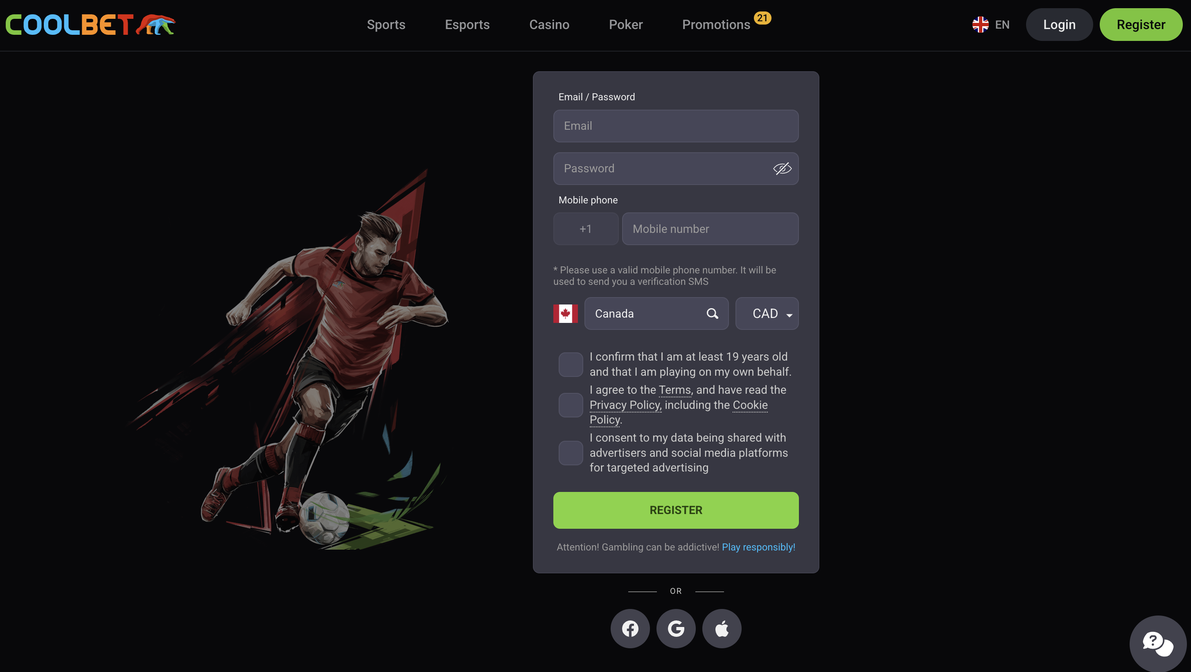
Profile creation should feel plain. That is not a weakness. It usually means the process is asking for the details that matter before money starts moving. If you rush the setup because a banner is flashing in the background, you may create problems that only show up later, right when a document review or withdrawal request appears.
Imagine you are registering after work, half-distracted, and trying to finish everything in two minutes. That is when people type a nickname instead of a legal name, use an inbox they barely check, or miss one digit in a phone number. The mistake feels small. The correction later feels bigger.
The useful approach is boring in the best way. Use your real name, an email you actually open, and contact details you can verify without stress. Read the birth date, country, and payment-related fields twice. And if the platform asks for age confirmation, treat that as part of normal setup for 18+ users in Canada, not as an interruption.
Mobile Use Beyond The Home Screen
Mobile play is not just desktop on a smaller screen. It changes how people behave. On a computer, users often browse longer, compare pages, and read details with more patience. On a phone, the goal is tighter: get in, see the cashier, open one title, finish the session cleanly. If those steps feel cluttered, the whole experience feels heavier than it should.
How The App Session Feels During Short Visits
Short visits create their own rhythm. You may open the platform on a lunch break, check the wallet, play briefly, then leave because real life cuts in. In that kind of session, clarity matters as much as speed. The wallet should be easy to find. The account menu should not hide basic controls. The exit path should be obvious too.
There is a practical reason for this. Small screens amplify distraction. If the lobby is crowded, you can drift between sections without deciding what you actually came to do. A better habit is to open the session with a single goal - check the balance, test one title, use ten minutes - then close the app once that goal is done.
What To Check Before You Install Anything
Not every user needs a dedicated install. Some people prefer browser access because it feels lighter and easier to manage across devices. Others like having an icon on the home screen and a quicker return path. The right choice depends less on hype and more on routine.
Take a simple example. You try installing late at night on weak Wi-Fi, storage is nearly full, and permission prompts appear one after another. That kind of setup turns a normal session into irritation before it even begins. So check the connection, confirm storage space, update the device, and decide whether an install truly fits how you use the account.
Payments, Verification, And Cashier Habits
The cashier tells you a lot about a platform. A lobby can look polished, but if deposits feel vague or withdrawal steps leave you guessing, users notice immediately. People do not need endless payment routes to feel comfortable. They need clear amounts, visible instructions, and a process that does not force them to improvise.
A lot of careful users settle on one or two methods and stay there. That choice keeps the account history cleaner. If you deposit from one source, switch to another, then try to withdraw somewhere else because it seems convenient in the moment, you add extra noise to your own record. Noise often means more checks.
Verification belongs in this same conversation. It is not separate from money movement. If the profile details, document details, and payment details line up properly, the review usually feels less dramatic. If they do not, you invite follow-up questions.
Account task | What a careful player does | Why it helps |
|---|---|---|
First deposit | Uses one personal payment route | Keeps the account trail cleaner |
Identity check | Sends sharp, uncropped files | Reduces repeat review requests |
Withdrawal request | Confirms profile details first | Lowers mismatch risk |
Session budget | Sets a spend cap before opening the cashier | Prevents impulsive top-ups |
Device use | Returns from one main phone or browser | Cuts extra security friction |
Keeping Your Deposit Trail Consistent
Think about the pattern many users fall into. One card on Monday, another wallet on Wednesday, then a different route again by the weekend. It feels flexible, but it can make the account harder to review later. A steadier method usually works better: pick a route you trust, keep the details aligned with your profile, and avoid changing things just because a new option appears.
Games, Pace, And Session Planning
Once access and payments are sorted, the real challenge is not finding something to play. The real challenge is choosing without drifting. Digital casinos throw a lot at the user - slots, tables, live rooms, featured sections, rotating promos, new arrivals. Without a plan, the session becomes a tour of thumbnails instead of an actual decision.
One useful trick is to separate browsing from playing. Give yourself a few minutes to look around, decide what pace fits your mood, then stay with one format long enough to judge it properly. That sounds simple, but it cuts a lot of noise.
Picking A Title Without Chasing Noise
There is no reward for opening six different titles in fifteen minutes. A lot of frustration comes from restless switching, not from the games themselves. Picture a late evening session after a tiring day. You tap one title, see another promoted beside it, jump again, then wonder why the session feels scattered. The problem is not always the lobby. Sometimes it is the lack of a decision.
A better route is to decide what kind of session you want before the first round begins. Fast action? Slower table pace? A short test? Once you know that, the lobby gets quieter because you are filtering it instead of reacting to everything.
Managing Time When Offers Distract You
Promotions can change the rhythm of a visit very quickly. You may open the account only to check the balance, then a countdown banner appears and suddenly your original plan disappears. This is where disciplined users do something small but smart: they read the important terms first, then ask whether the offer fits the session they already intended to have.
If it does not fit, leave it. That sounds obvious, yet people often stretch a session because a promotion made the moment feel urgent. Keep entertainment money separate from reaction money. If the session had a budget and time limit before the banner showed up, those limits should still matter after it.
Support, Responsible Play, And Account Controls
Support is not only for broken pages. Sometimes you simply need a clear answer. A document review might take longer than expected. A deposit might show as pending. A session might close after a security check. In those cases, a short, structured message works better than a long emotional one. Explain what happened, name the device, mention what you tried, and quote the error if you saw one.
Responsible play tools deserve the same calm mindset. Deposit limits, reminder prompts, cooldown breaks, and exclusion settings are not emergency decorations hidden in a settings panel. They are normal control tools for adult users. They work best when chosen before a session gets messy, not after frustration is already running the decision-making.
Mobile access makes this even more important. A phone turns ten minutes into an hour very easily. If the session reminder appears and tells you how long you have been active, that is useful. It interrupts autopilot. It gives you one clear moment to decide whether you still want to continue or whether you are simply staying because the screen is already open.
When To Contact Help Instead Of Guessing
Guessing wastes time. If a payment step looks wrong, if files keep failing, or if the account asks for another action you do not understand, ask before you start changing random settings. A support team can work faster when the story is clean.
Now picture the opposite. Someone changes the password, clears the browser, switches devices, retries the payment, and only then sends a message with half the details missing. That turns one issue into three. The better habit is simple: after one or two sensible attempts, stop, describe the problem properly, and let support respond to the real issue.
Canada Access, Expectations, And Long-Term Routine
Many users search for certainty. Is the platform easy? Will the account feel smooth? Will mobile play make sense day to day? The honest answer is that a lot depends on the habits you bring into it. A careful user in Canada who registers with accurate details, keeps payment activity consistent, respects local requirements, and uses limit tools early usually gets a cleaner experience than someone who rushes every stage.
That long-term routine matters more than flashy first impressions. Keep the profile updated. Do not ignore age or identity prompts. Do not open extra accounts. Do not treat every banner as a reason to stay longer. And do not confuse convenience with control just because the phone makes access feel instant.
Small rituals help. Check the balance before you begin. Set the budget before you open the cashier. Decide whether the visit is a short check-in or a longer session. Review the result before you leave. None of that is glamorous. All of it reduces confusion.
That is what a useful review page should really do. Not sell a fantasy. Not drown the reader in noise. Just explain what the user actually does from setup to repeat visits: create a profile, verify details, handle payments carefully, choose games with intention, and keep the account under control. When those parts line up, the platform makes much more sense.